4 Signs Your Independence, MO, Parking Lot Needs Asphalt Repair Before Winter 2026
Parking lot owners serving Independence, Mo., need to know the five most common warning signs that require parking lot asphalt repair in Independence, Mo. before winter 2026 arrives. Missouri winters are hard on asphalt, and the Jackson County area's clay-heavy soils and recurring freeze-thaw cycles mean damage that looks minor in fall can turn into a costly overhaul by spring.
Sign 1 — Alligator Cracking Across the Surface
Alligator cracking is a serious structural warning that your pavement may be failing from the base up. This pattern looks like a reptile's scales, with a web of interconnected cracks spreading across the surface, usually signaling that water has already weakened the sub-base.
Independence sits on clay-rich soil that swells when wet and contracts when dry. Once alligator cracking appears, water has an easy entry point, and Missouri's freeze-thaw cycles will rapidly expand those cracks into something far more serious.
This is not a problem that sealcoating can fix. Alligator cracking typically calls for parking lot asphalt repair in Independence, Mo. through patching or resurfacing before cold weather sets in.
Sign 2 — Active Potholes or Pothole-Ready Depressions
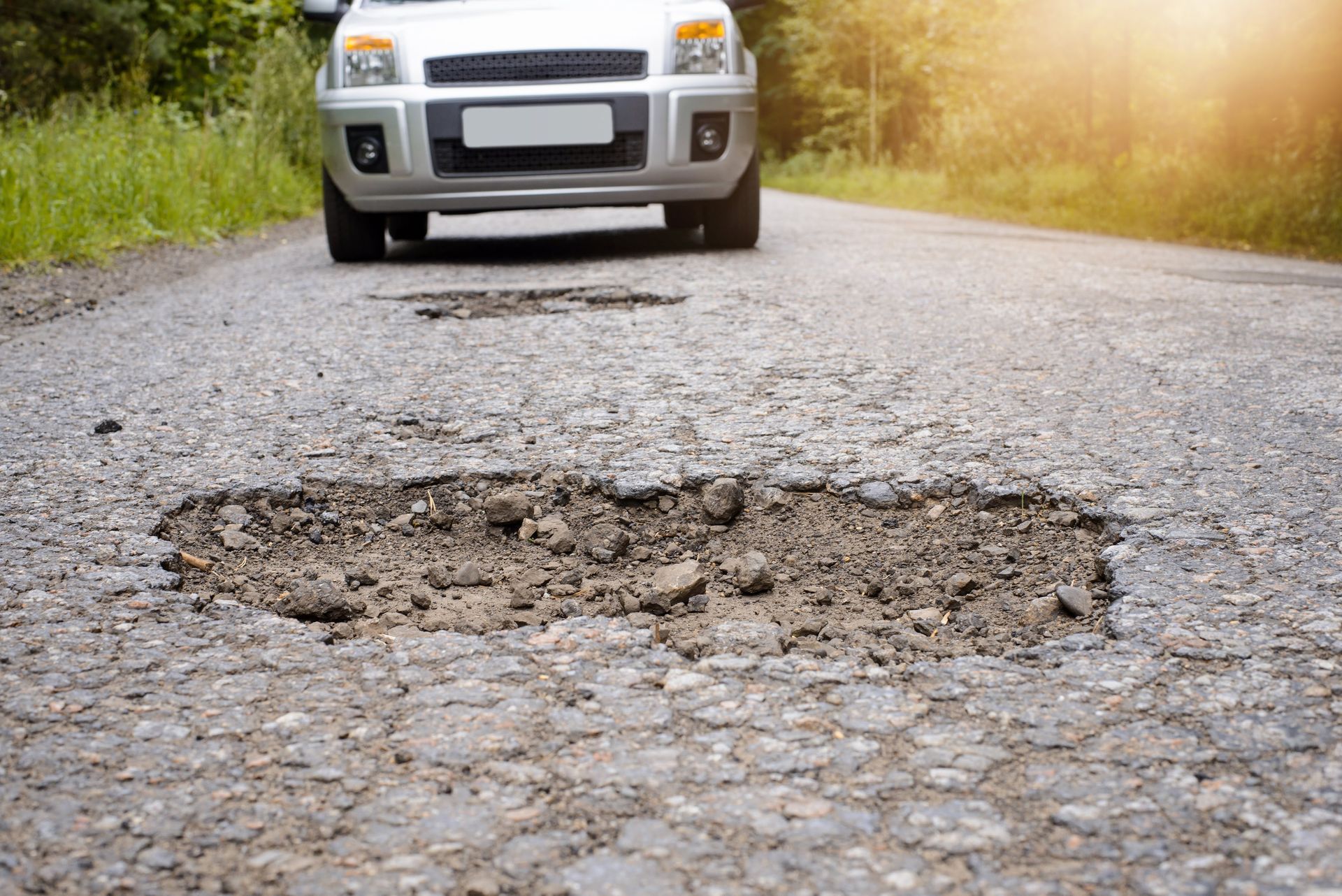
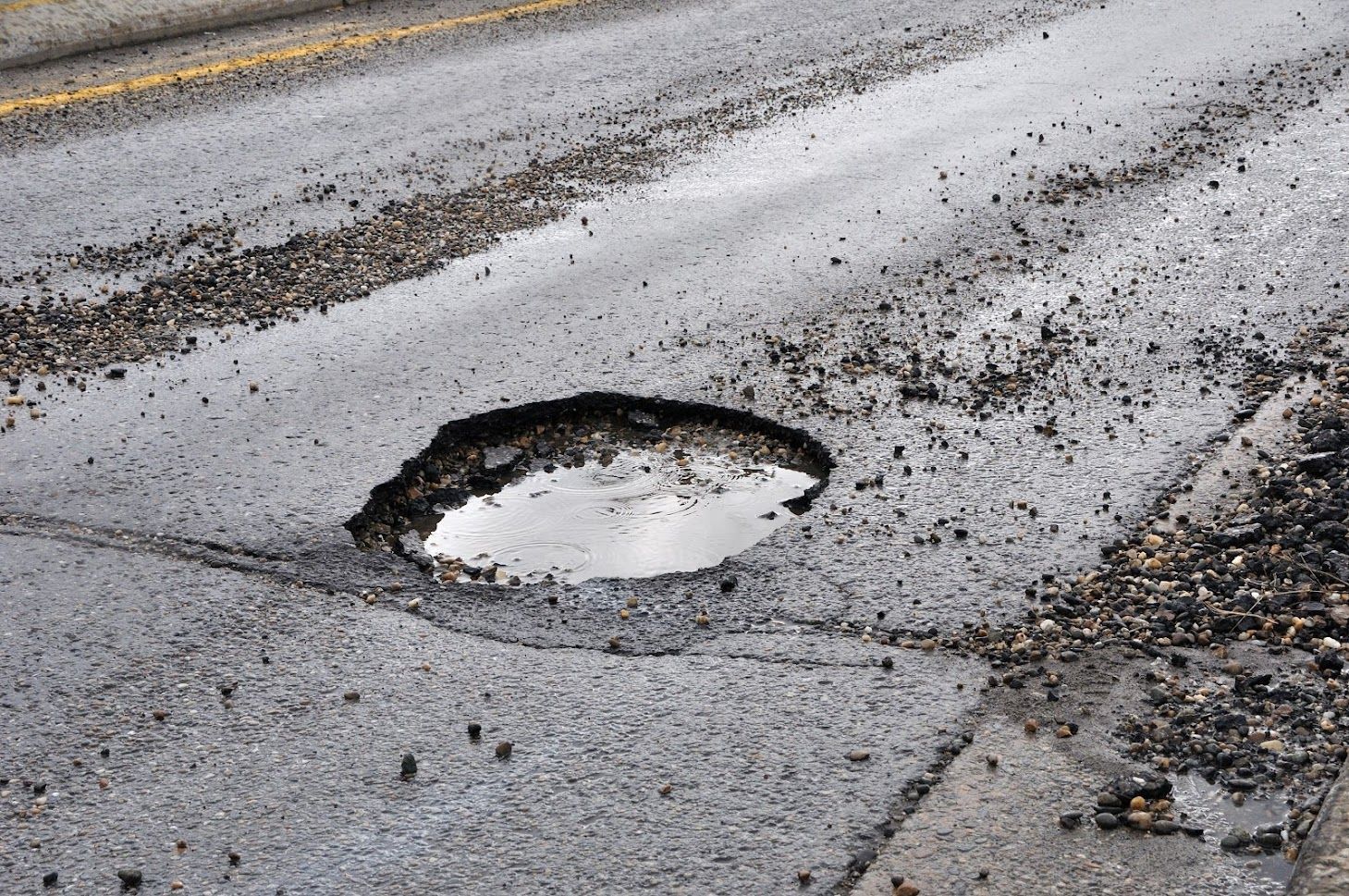
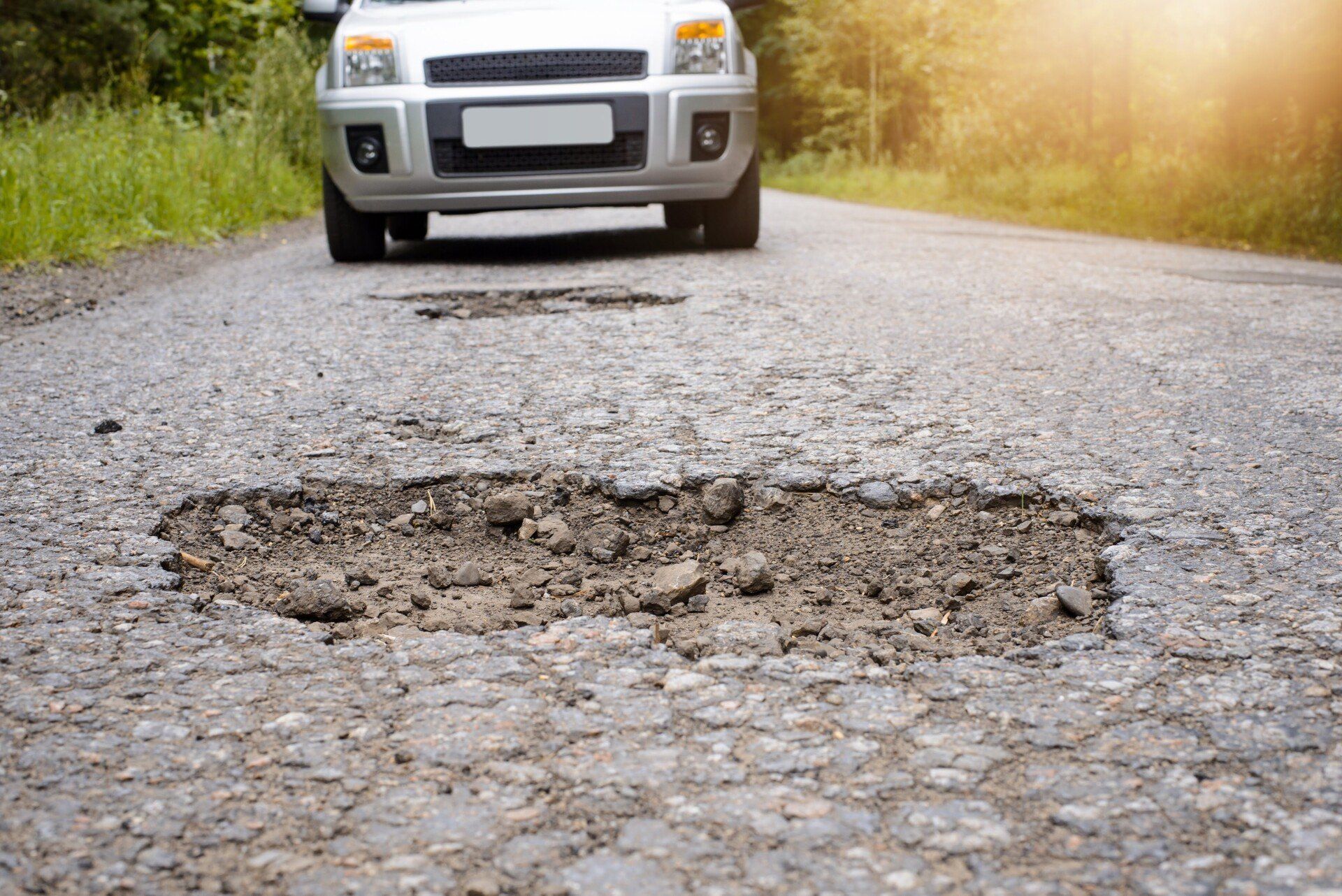
Potholes and bowl-shaped depressions result from water undermining the pavement structure below the surface. When water seeps into existing cracks and freezes, it expands and pushes the asphalt apart. Once temperatures rise, the ice melts and leaves a weakened void, and the next vehicle that rolls over it causes a collapse.
The same freeze-thaw process that damages Independence city streets affects private parking lots throughout the area, including commercial properties near Noland Road, Sterling Avenue, and 23rd Street. Any depression you can see now will almost certainly become a pothole by February if left unaddressed.
Pothole patching is one of the most straightforward forms of parking lot asphalt repair in Independence, Mo. The longer you wait, the larger the affected area tends to grow.
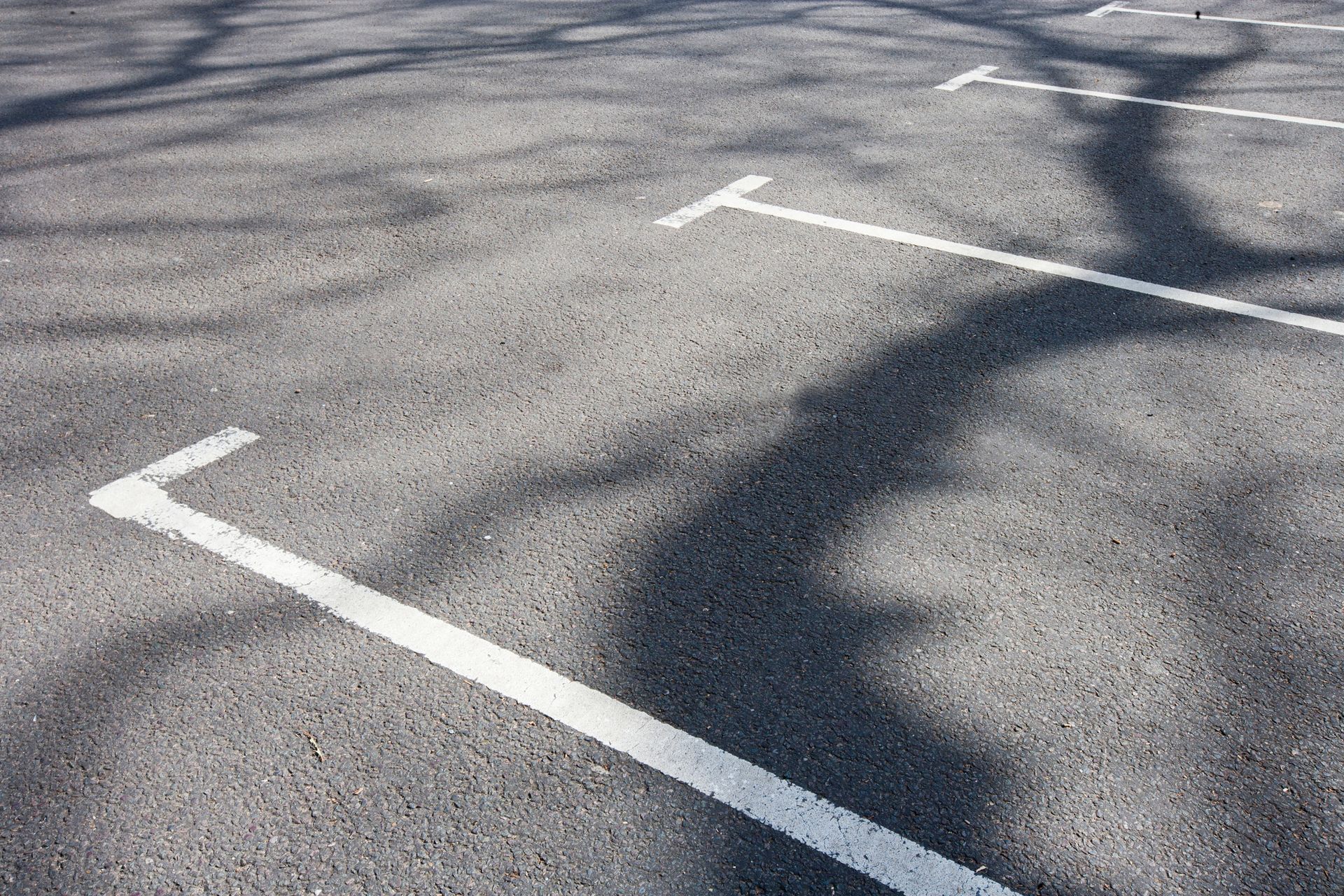
Sign 3 — Faded or Invisible Parking Lot Striping
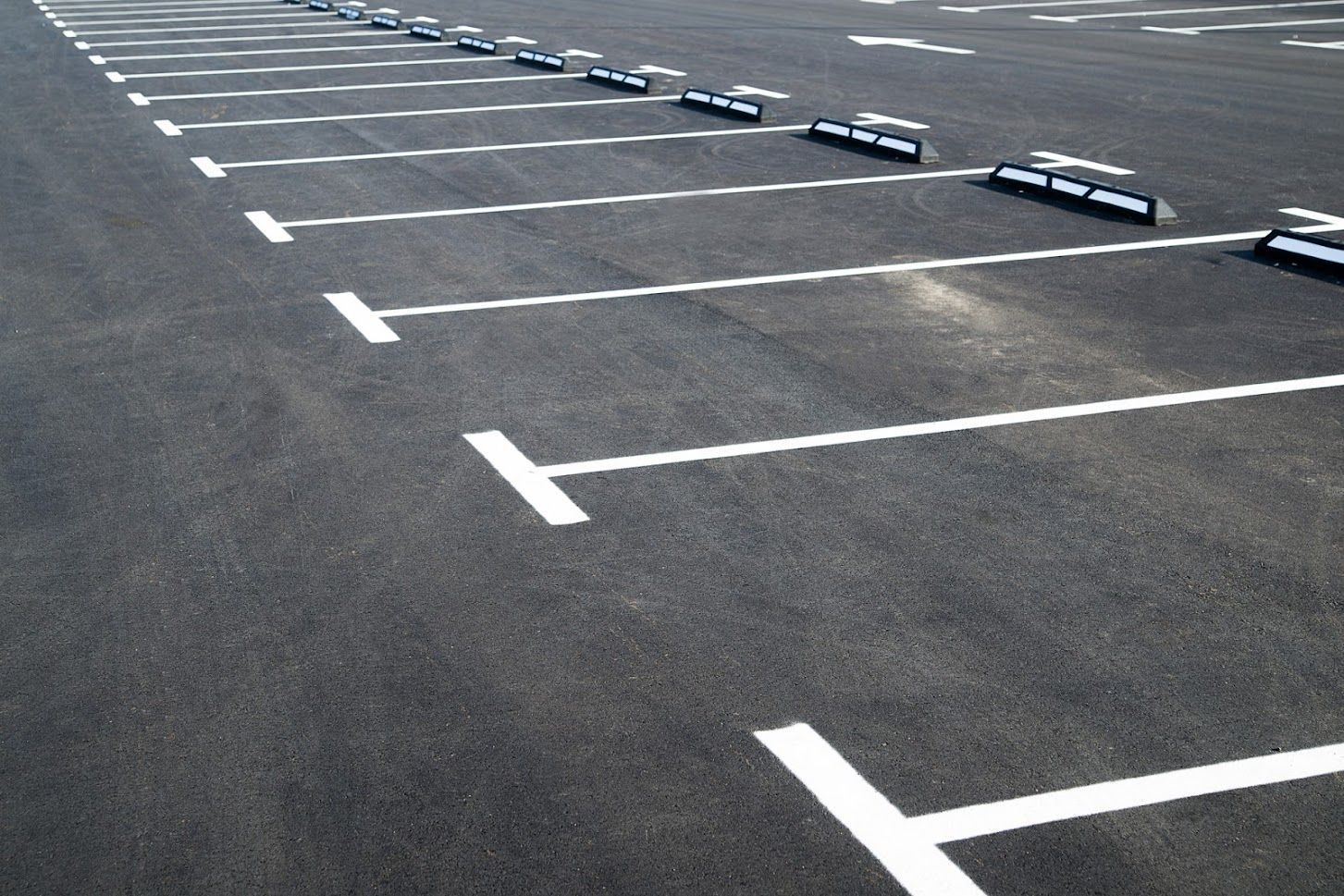
Faded striping signals that your asphalt surface has oxidized and is no longer protected. When UV exposure and weather break down the top layer, the pavement becomes brittle and more permeable to moisture. Striping that has turned gray or is barely visible means the underlying pavement has also lost significant protective oils.
Brittle, oxidized asphalt cracks more readily under freeze-thaw stress. Addressing the surface with sealcoating and re-striping before winter restores protection and extends pavement life. For businesses along busy corridors like US-24 or MO-291, visible striping also affects how professional your property looks to arriving customers.
Sign 4 — Edge Cracking and Crumbling Along the Perimeter
Edge cracking runs parallel to the outer boundary of a parking lot and indicates that the pavement lacks adequate support at its edges, often where no curbing is present or where shoulder material has shifted. Missouri's wet autumn weather soaks into unsupported edges, and freezing temperatures rapidly expand that moisture, breaking edges apart. What starts as a small crack can crumble into a wide gap that spreads inward over a single winter season.
Edge repairs are a cost-effective form of parking lot asphalt repair in Independence, Mo. when addressed early but become much more involved once damage progresses deeper into the surface.
What Does Drainage Failure Look Like in a Parking Lot?
Drainage failure shows up as pooling water that lingers on the lot surface long after rain has stopped. Standing water weakens the binder that holds pavement together, and poor lot grading and blocked drainage outlets are the most common causes.
Clay sub-base conditions make drainage issues especially problematic in the Independence area. Water tends to sit near the surface and find its way into any crack or low point. When it freezes, it expands and creates structural damage well below what is visible on top. Scheduling parking lot asphalt repair in Independence, Mo. before the ground freezes can prevent far more extensive damage.
How Soon Before Winter Should I Schedule Asphalt Repairs?
Repairs should be completed before ground temperatures drop consistently below 50 degrees Fahrenheit, which in the Independence area typically means scheduling work no later than mid- to late October. Waiting until November reduces both the window for repairs and the quality of the cure.
Can I Just Sealcoat Over Damaged Asphalt to Get Through Winter?
Sealcoating is a protective measure, not a repair. Applying sealcoat over active cracks, potholes, or alligator cracking will not stop underlying damage from spreading. Sealcoating works best on structurally sound asphalt showing early oxidation or surface wear. If visible damage exists, parking lot asphalt repair in Independence, Mo. should be completed first, and sealcoat can then be applied as a protective finish layer.
Schedule Your Pre-Winter Inspection Before the Window Closes
Addressing these five signs now means smaller repairs, lower costs, and safer conditions for your customers and tenants through the cold months ahead.
J & B Asphalt & Paving serves property owners throughout the Independence, Mo., area with parking lot
asphalt repair in Independence, Mo, that covers everything from crack sealing and pothole patching to full resurfacing. Call
(816) 241-2750 or request a
free quote online to schedule your pre-winter inspection. Find us on Google and read what local customers have to say:
J & B Asphalt & Paving.